
Melasma is a common skin concern normally represented by uneven patches of darker pigmentation, often appearing on the cheeks, forehead, and upper lip. Many individuals wish for ways to lighten melasma on the face, hoping to achieve a more uniform-looking complexion. The appearance of discoloration may gradually change over time, but how quickly this occurs may depend on the depth of pigment in your skin. It may take several months before the skin appears clearer for shallower pigment, and even longer for deeper pigment to lighten. It is important to be patient when treating melasma. However, while there are a variety of factors affecting melasma, a consistent skin care routine, sun protection included, might reduce the appearance of the discoloration over time. Using supportive skin care products like Pynocare can be included in the skin care regimen that would be required for beautiful-looking skin.
How to Lighten Melasma on the Face through Consistent Skin Care
The key to learning how to lighten melasma on the face is in establishing daily habits focusing on maintenance and protection, rather than quick results. It is said that sunlight is one of the more common triggers for melasma appearance; that is why dermatologists recommend sun protection. Using an appropriate broad-spectrum sunscreen and other sun protection measures, like wearing protective clothing and staying out of the sun, may help reduce the visibility of uneven skin tone, especially in the face.
In addition to sun protection, certain topical skin treatment ingredients, such as niacinamide, vitamin C, azelaic acid, and kojic acid, may be included in skin care regimens to assist and maintain a healthy-looking skin. These ingredients are not intended to provide instant results, but rather, can promote a healthy-looking appearance over time.
Consistency is an important step to take when looking for ways to lighten melasma on the face, because inconsistent application of products or forgetting sun protection will make a difference in the overall appearance of your skin. Maintaining a gentle skin cleaning routine, as well as ensuring a properly moisturized skin, will encourage healthy-looking skin. A dermatologist may be able to assist in recommending the best options available, especially when managing melasma becomes problematic.
The Role of Sun Protection and Skin Care Products
Daily sun protection is crucial when it comes to managing skin with hyperpigmentation. Ultraviolet exposure will increase the likelihood that darker spots will be more prominent, which is why protecting oneself in the sun is a must. Sunscreens are often recommended as the primary step in skin care for patients concerned with hyperpigmentation, and the best sunscreen available will typically cover both UV-A and UV-B rays. It is also recommended that you seek out shade as much as possible. Dermatologists often emphasize sunscreen use as a foundational step in skin care, especially for individuals concerned about pigmentation changes.
Some products, such as Pynocare Melasma Cream and Pynocare Serum for melasma, can be included in your skin regimen in order to enhance the overall skin tone and protect from the sun. When used consistently alongside sunscreen and other skin care steps, it may help improve the appearance of skin discoloration as part of a broader routine rather than as a standalone solution. Maintaining realistic expectations and focusing on long-term care is important when considering how to lighten melasma on the face.
Lifestyle habits may also play a supporting role. Adequate hydration, balanced nutrition, and avoiding excessive heat or sun exposure may contribute to overall skin wellness. Although these factors do not necessarily remove pigmentation on their own, they can complement the health of your skin.
When to Seek Professional Guidance
As melasma can appear very differently to others, it can be helpful to see a doctor to find out what the most suitable course of treatment is. A dermatologist may want to assess what’s causing the pigmentation issues, recommend procedures that help with skin regeneration, or assist with a specialized skincare regimen. In some cases, topical applications prescribed by a dermatologist might offer stronger benefits for patients with difficult-to-manage melasma.
An integral part of knowing how to lighten melasma on the face is also understanding that each person’s skin reacts differently to a routine based on their individual skin type, sun exposure, and the routine they follow. Knowing which products and practices to follow is where a professional can assist.
Final Thoughts
It is important to note that there are different causes and types of melasma, and the method of treating it will vary based on the type that you have. Knowing how to lighten melasma on your face starts with being patient and knowing how to care for it properly with consistent sun protection and the right types of topical products. Even with consistent care, it can be a struggle to completely remove all the pigmentation, and the results can vary from person to person due to genetics and your personal care routine; however, its appearance can certainly be managed to provide healthier-looking skin.
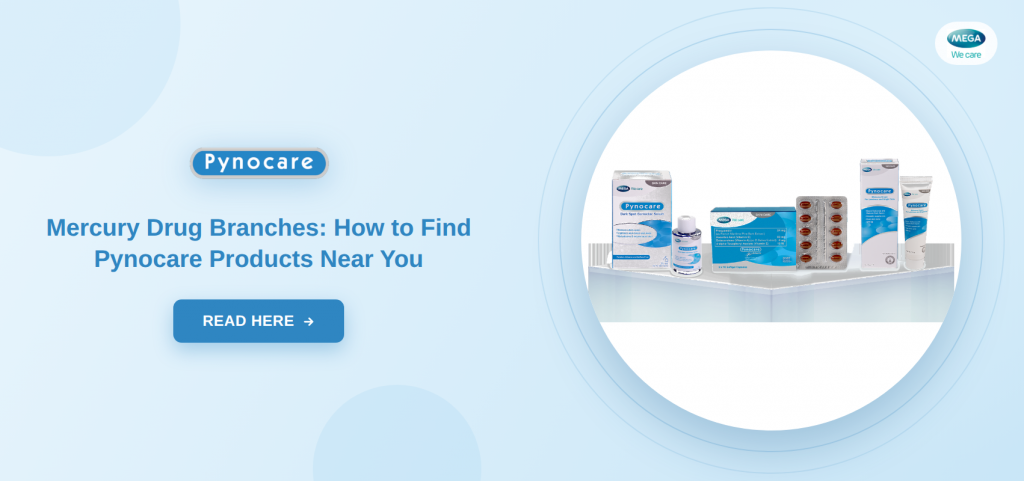
Pynocare is being sold at Mercury Drug, Watsons, and Rose Pharmacy and find the nearest store by checking the store locator on the Pynocare official website.
References:
Garibyan, L. (2022, July 11). Melasma: What are the best treatments? Harvard Health Publishing. https://www.health.harvard.edu/blog/melasma-what-are-the-best-treatments-202207112776
How to fade dark spots in darker skin tones. (2025, March 10). American Academy of Dermatology Association. https://www.aad.org/public/everyday-care/skin-care-secrets/routine/fade-dark-spots
Pynocare Philippines. (n.d.). How to use Pynocare Melasma Cream: A step-by-step guide. https://pynocare.ph/how-to-use-pynocare-melasma-cream-a-step-by-step-guide/
Sunscreen FAQs. (n.d.). American Academy of Dermatology Association. https://www.aad.org/media/stats-sunscreen
Thawabteh, A. M., Jibreen, A., Karaman, D., Thawabteh, A., & Karaman, R. (2023). Skin pigmentation types, causes and treatment—A review. Molecules, 28(12), 4839. https://doi.org/10.3390/molecules28124839
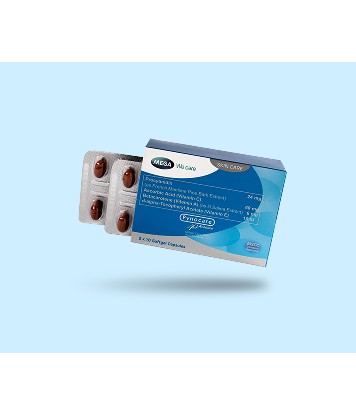
Your trusted melasma management partner, helping achieve clearer, brighter, and healthier-looking skin. Available in capsule, cream, and serum variants, Pynocare supports the reduction of dark spots and uneven skin tone through a complete inside-and-out approach, bringing you closer to confident, melasma-free skin every day.
Mega Lifesciences Limited Inc. or Mega We Care, is actively involved in helping millions of people have access to safe, effective, world-class quality nutritional & herbal supplements, OTC, and ethical products.

















No Comments on How to Lighten Melasma on the Face: Skin Care Tips for Managing Visible Discoloration